Do You Need Custom Service?
Complete Solar Solutions for You, All Services in One Place.
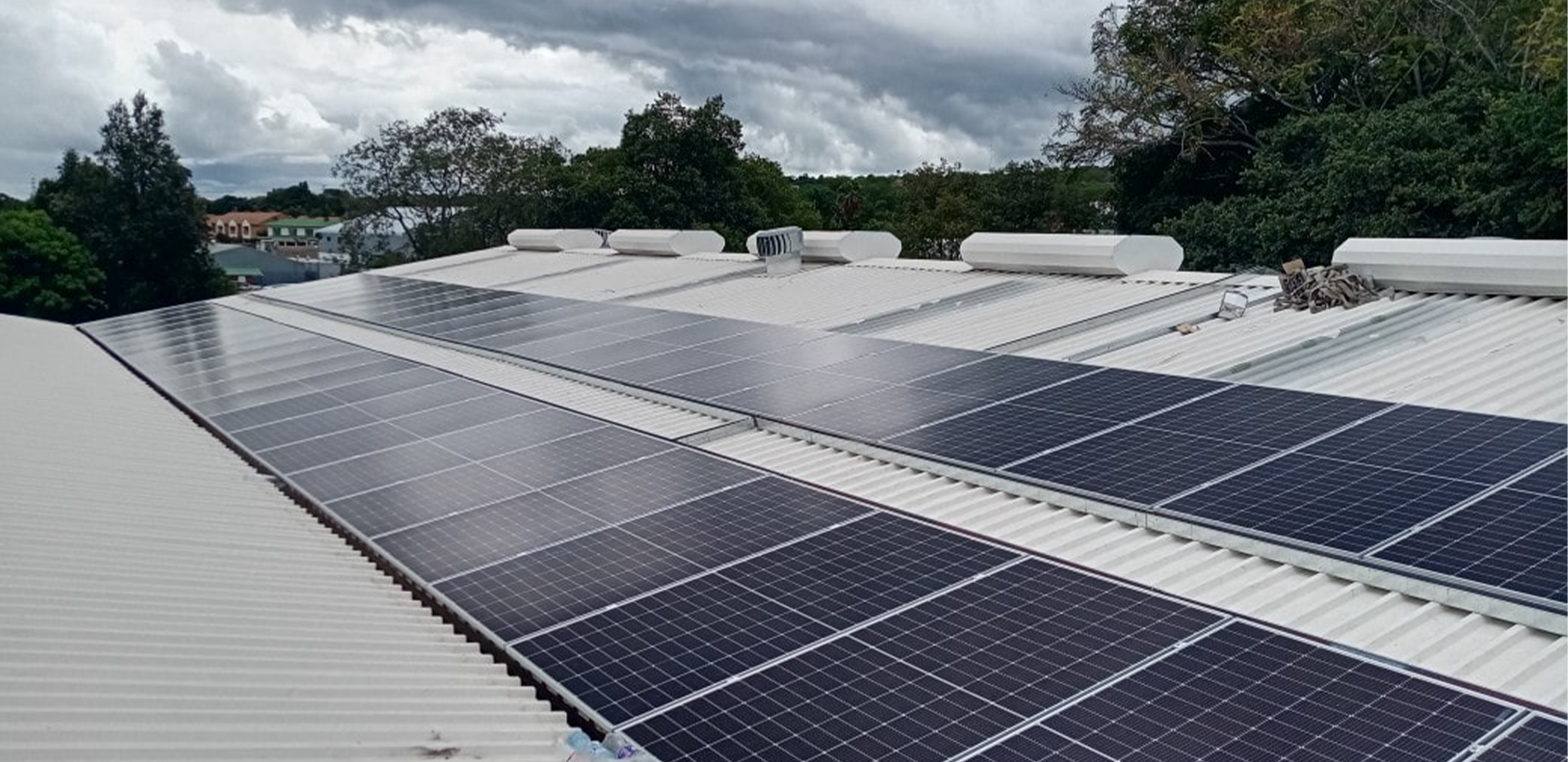
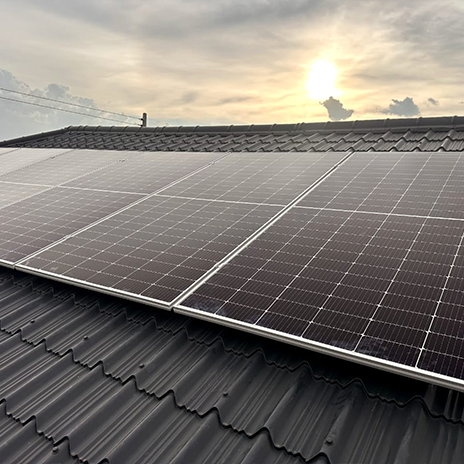
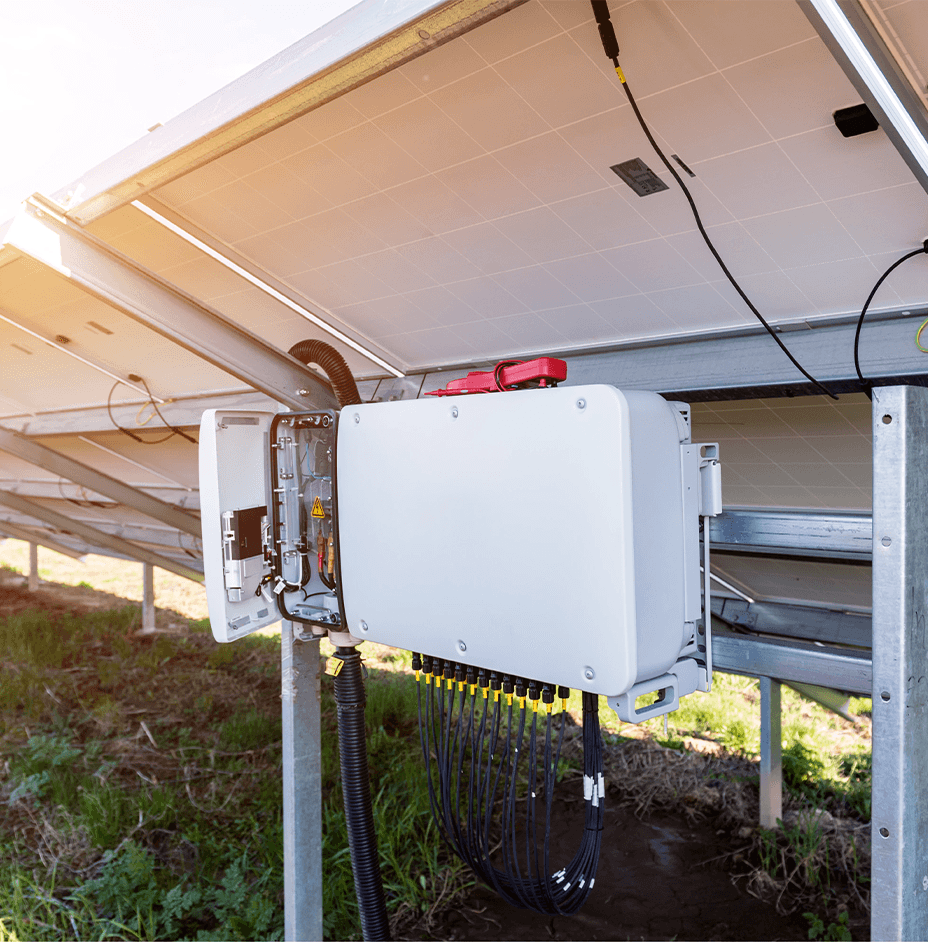
Installing solar panels offers significant advantages: it lowers electricity bills, provides reliable backup during power outages, increases property value, and reduces your carbon footprint. With Africa's abundant sunshine, going solar is an effective, long-term investment for energy independence.
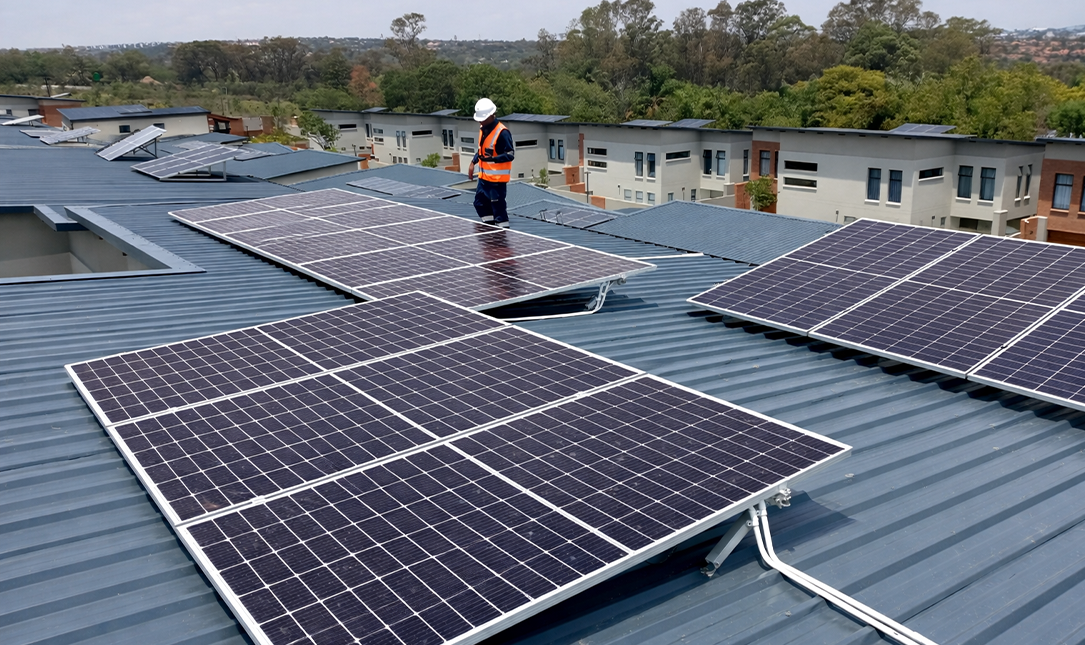
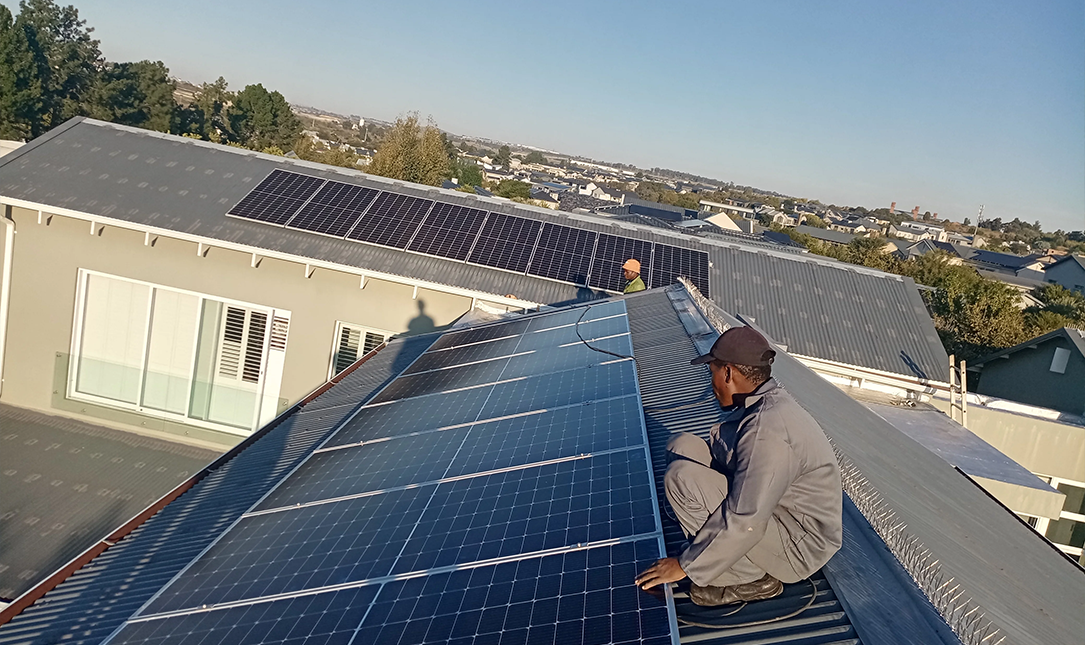
By generating your own renewable power, you rely less on the utility grid. This cuts your monthly utility bills and shields you from continuous electricity tariff hikes. In South Africa, a well-designed solar system can often pay for itself in savings over 5 to 7 years.
Pairing solar panels with a battery energy storage system (BESS) ensures continuous power. This eliminates disruptions from load-shedding or grid faults, providing peace of mind and keeping essential appliances running seamlessly.
Homes equipped with owned solar power systems tend to be more attractive to buyers. Properties with rooftop solar can sell at a premium and typically command a higher resale value compared to comparable homes relying strictly on the grid.
Solar panels have no moving parts, meaning they experience minimal wear and tear. They are designed to be highly durable—often able to withstand severe weather like hail—and generally require nothing more than occasional cleaning and standard inverter maintenance to operate efficiently for 25 to 30 years.
Solar energy is a clean, renewable resource that produces no harmful greenhouse gas emissions while in operation. By reducing your dependence on fossil fuel-generated electricity, you actively lower your carbon footprint and support a greener, more sustainable future.
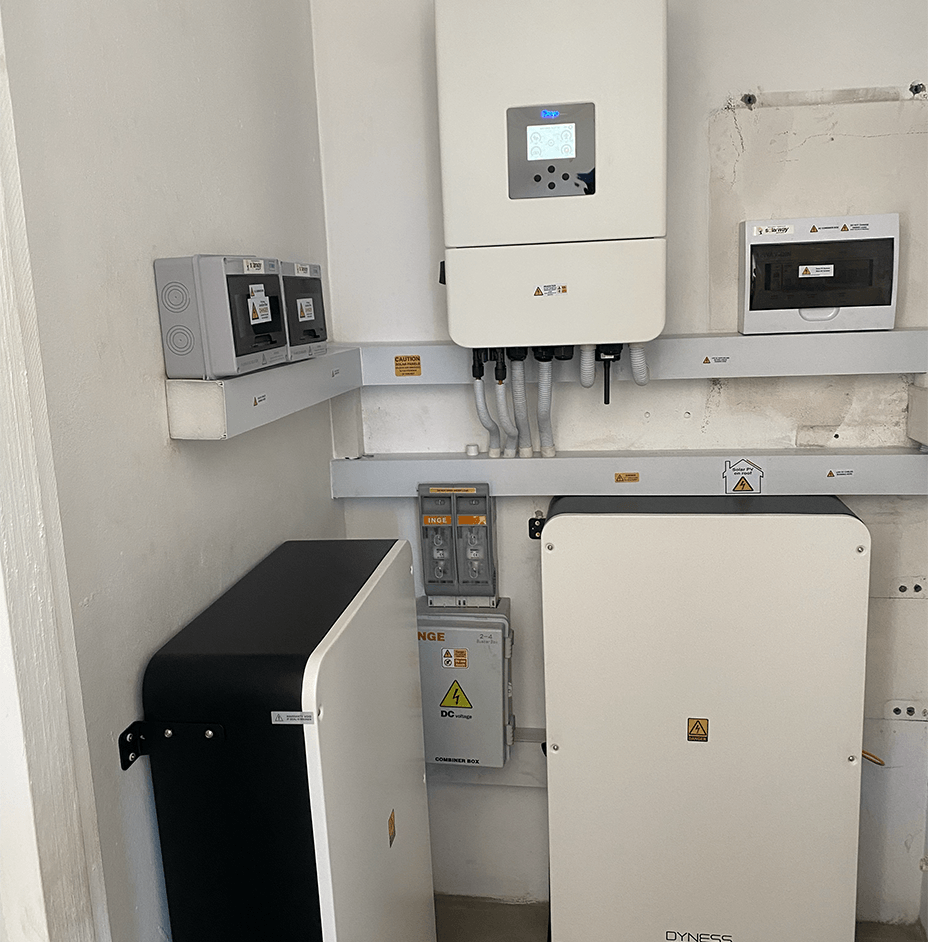
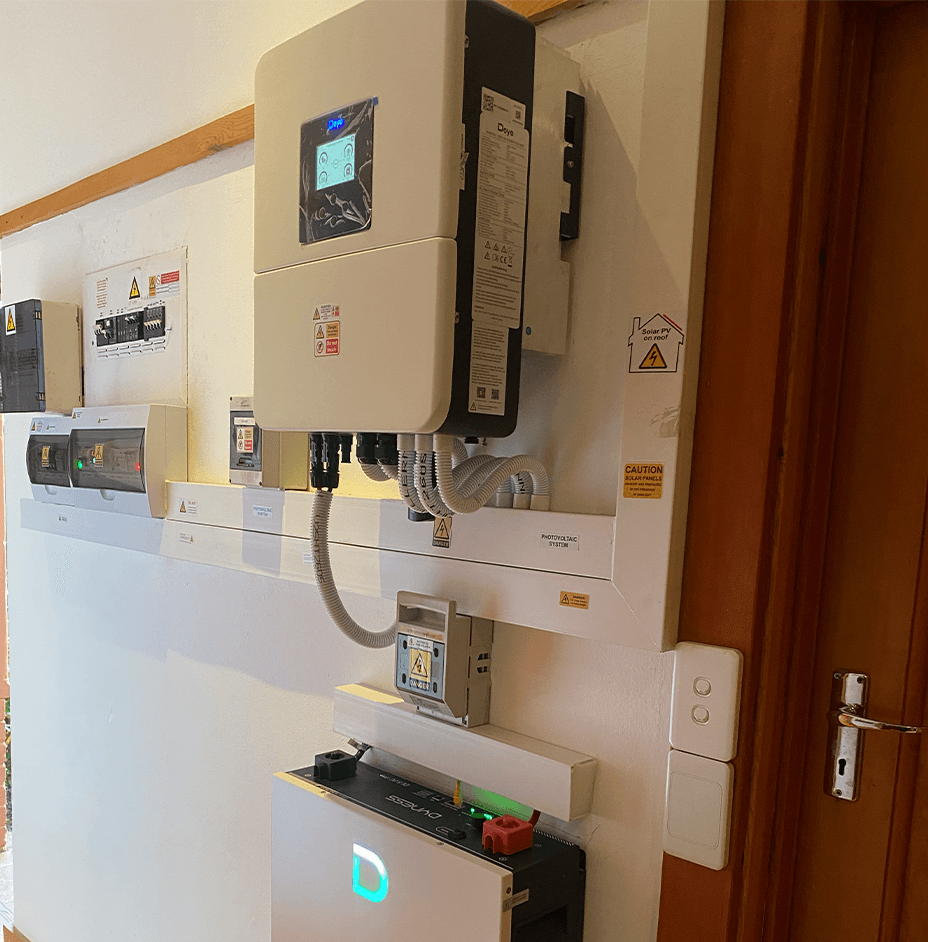

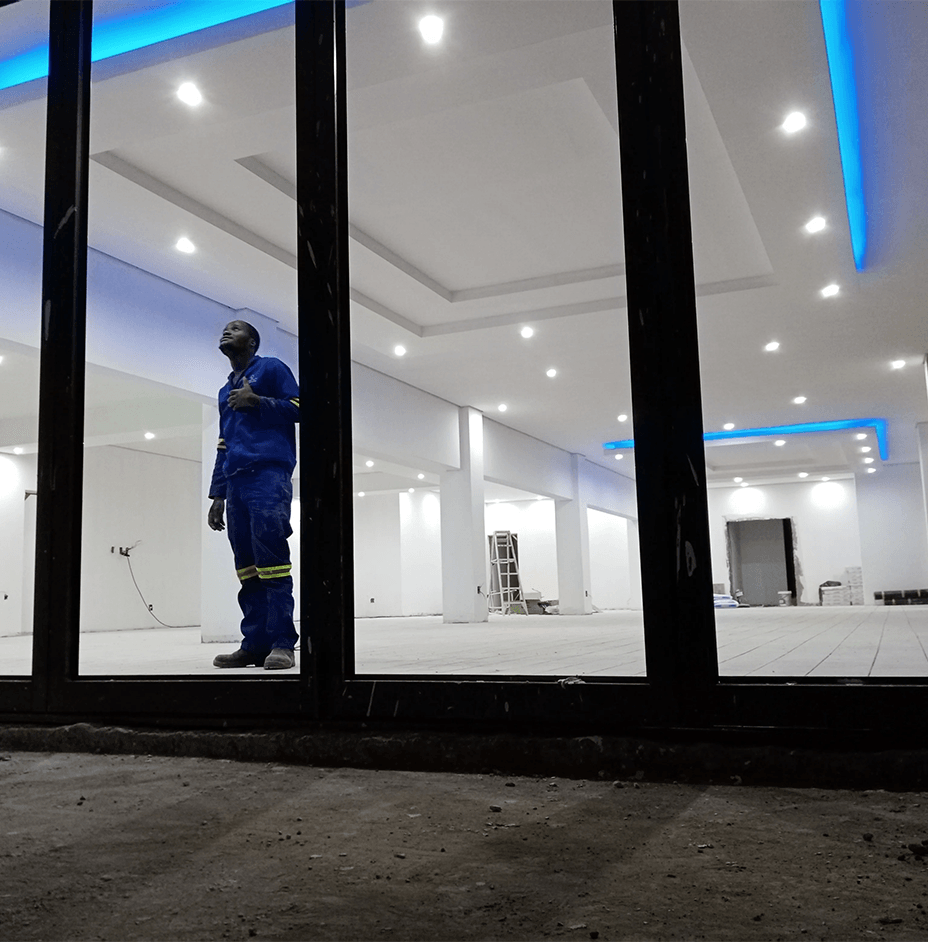
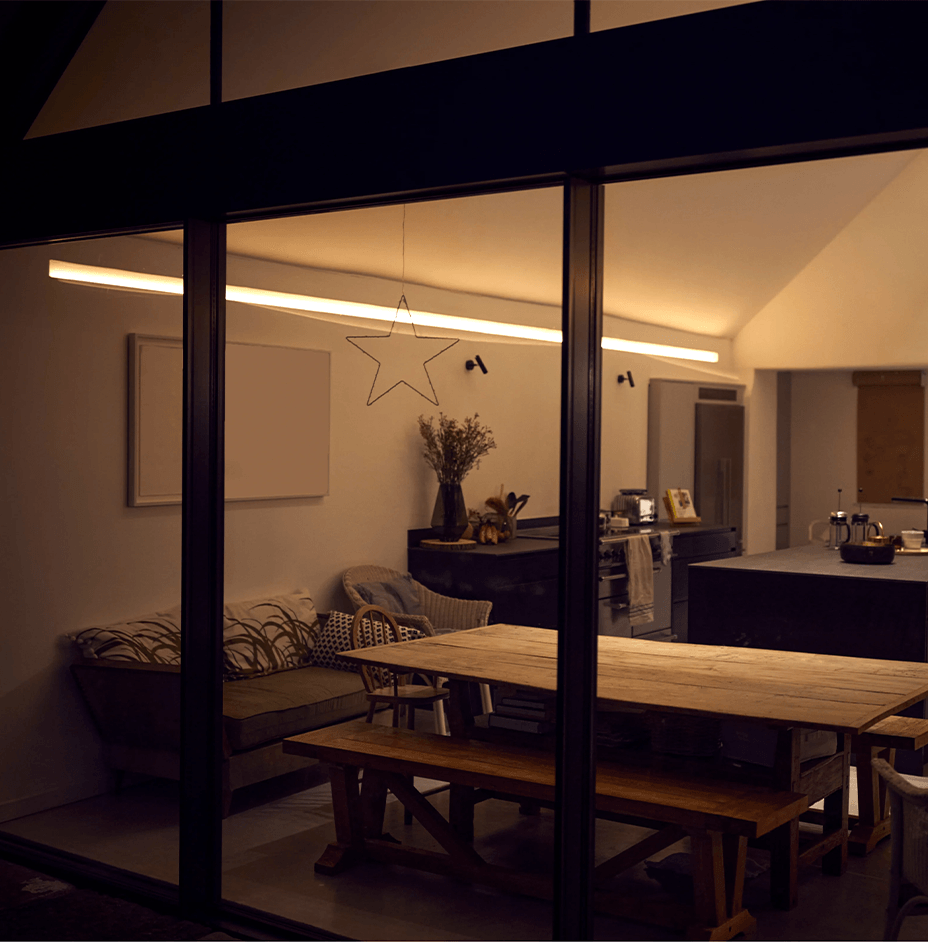

Engineered electrical and energy solutions built for performance, reliability, and sustainability.
© Copyright by Clin Volt

We successfully cope with tasks of varying complexity, provide long-term guarantees and regularly master new technologies.


Utilizing the sun. Powering Homes Lighting Africa