Do You Need Custom Service?
Complete Solar Solutions for You, All Services in One Place.
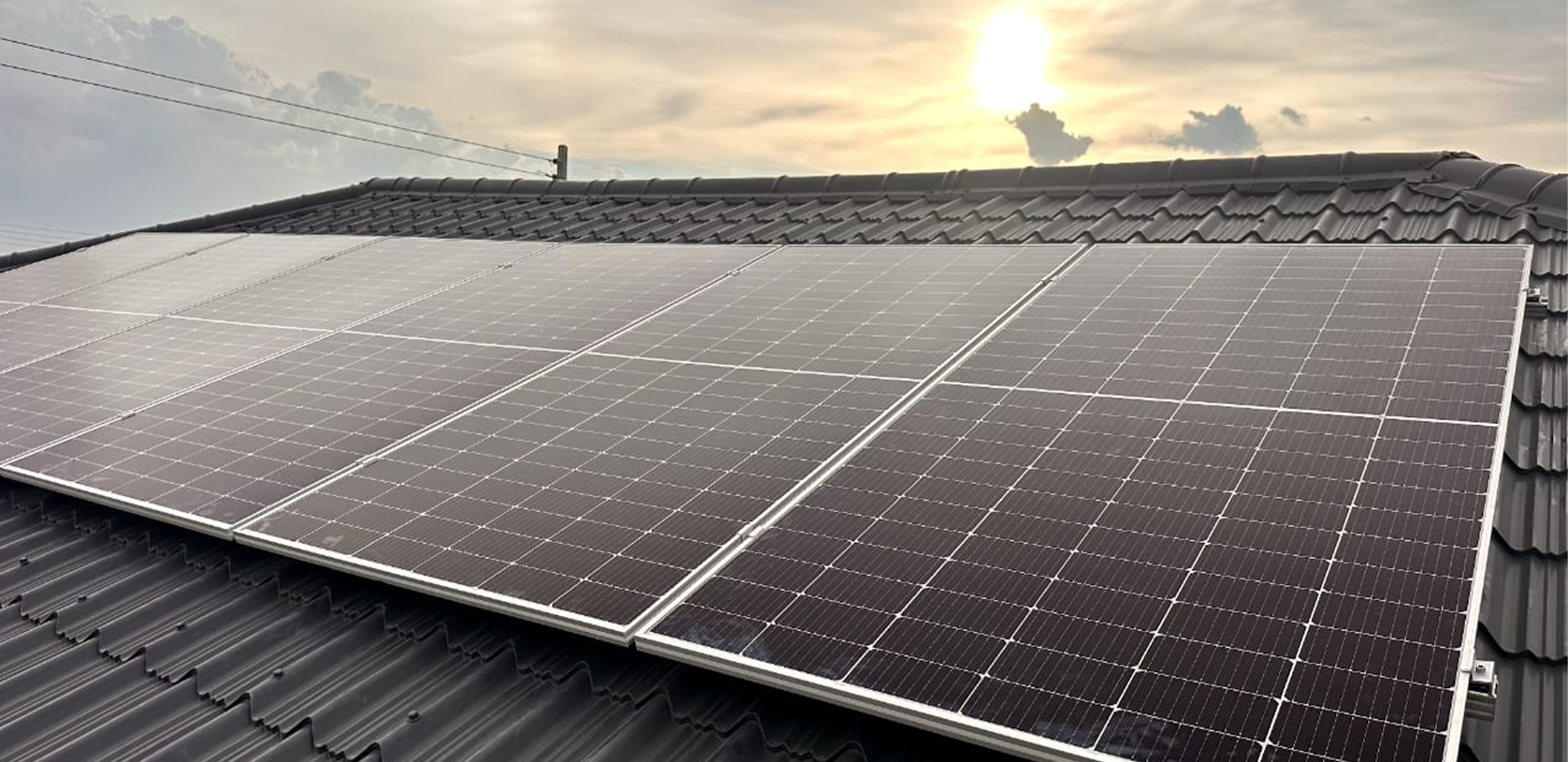
Renewable energy reduces electricity bills by allowing you to generate your own power, thus lowering grid consumption. Additionally, technologies like solar water heaters can cut water-heating costs—which normally account for (30% - 50%) of your bill—by up to (70%).
Because of the rising costs of electricity, homeowners and businesses are increasingly turning to renewable energy sources.
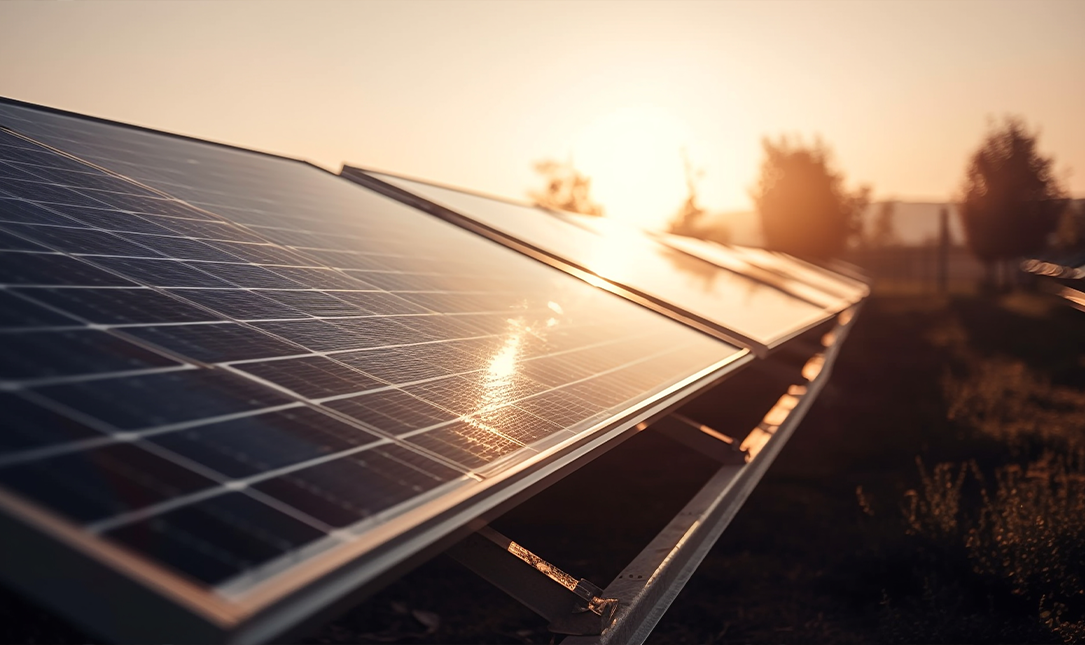
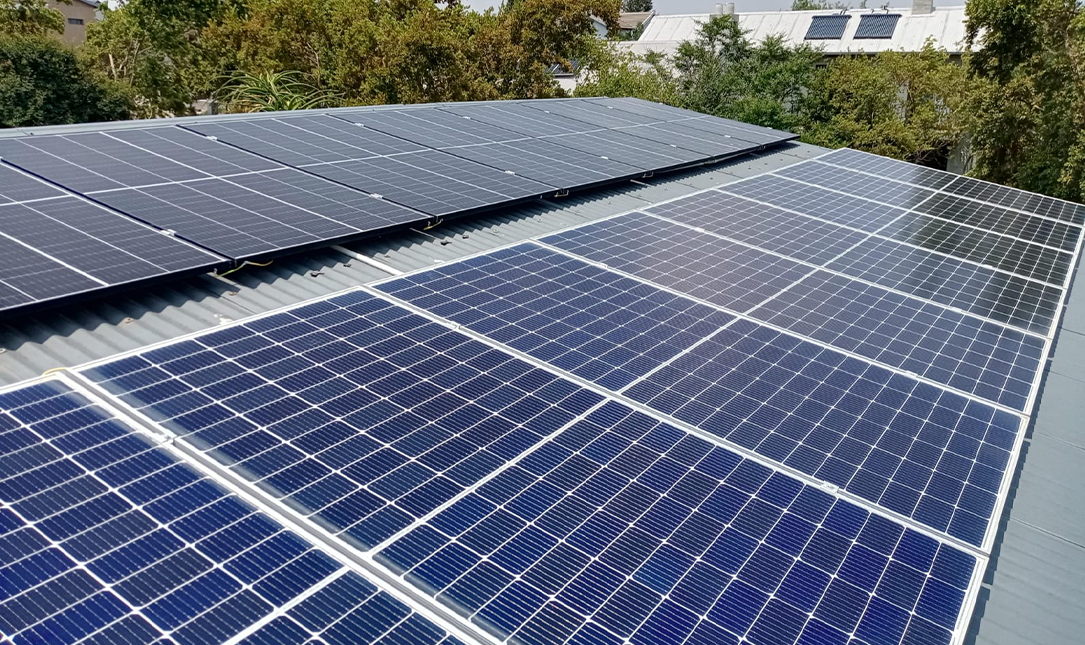
A grid-tied system saves money by directly powering your home with free solar energy during the day and using the utility grid as a "virtual battery". If you produce more energy than you consume, excess power is sent back to the grid to earn you credits or a reduced bill.
If you have a rooftop solar setup, the panels generate the most power during the day when you might not be home to use it.Without a battery, this excess solar energy is sent back to the grid for a typically low feed-in credit but with a battery, that excess solar power is stored to run your home during the evening, preventing you from buying costly grid electricity when the sun goes down.
When your panels produce more electricity than you use (e.g., when you're away at work), the surplus flows back into the national grid. Many municipalities and utility providers credit this exported energy back to your account, lowering your monthly energy bill.
A typical household geyser accounts for 30% to 50% of your total electricity bill. By using free solar energy to heat your water, a solar water heater cuts your water heating costs by 40% to 80%, which can reduce your overall monthly electricity bill by 15% to 40%
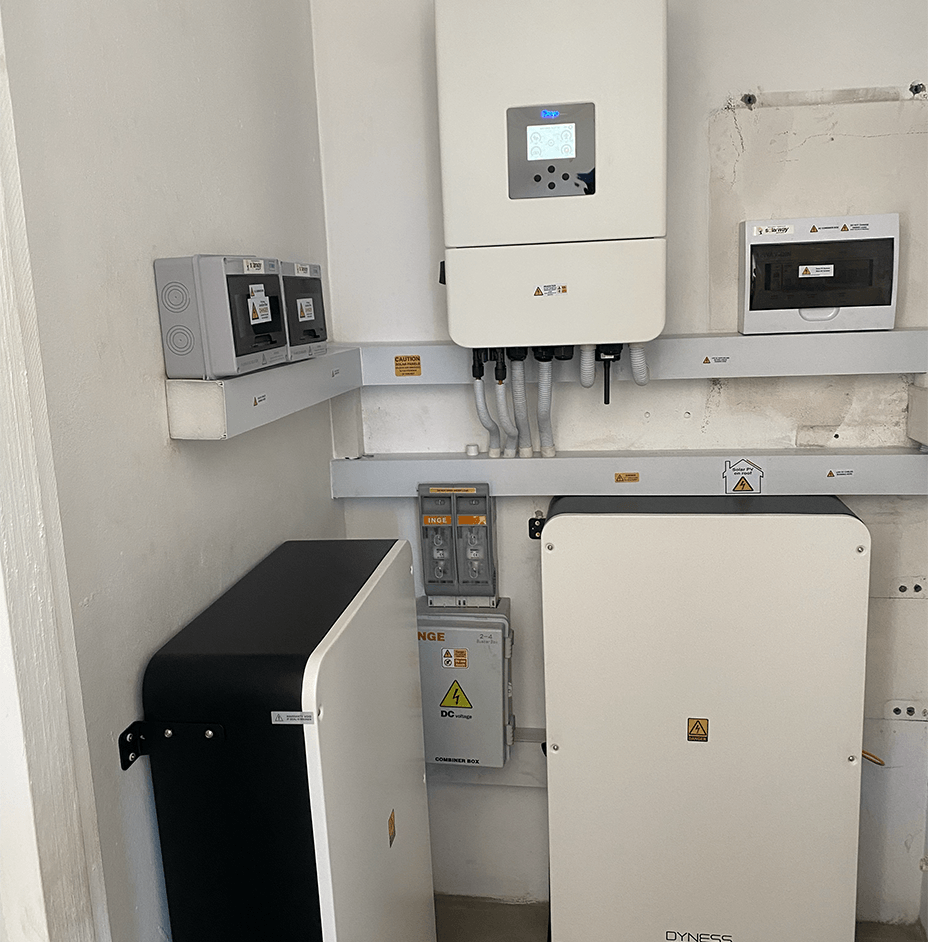
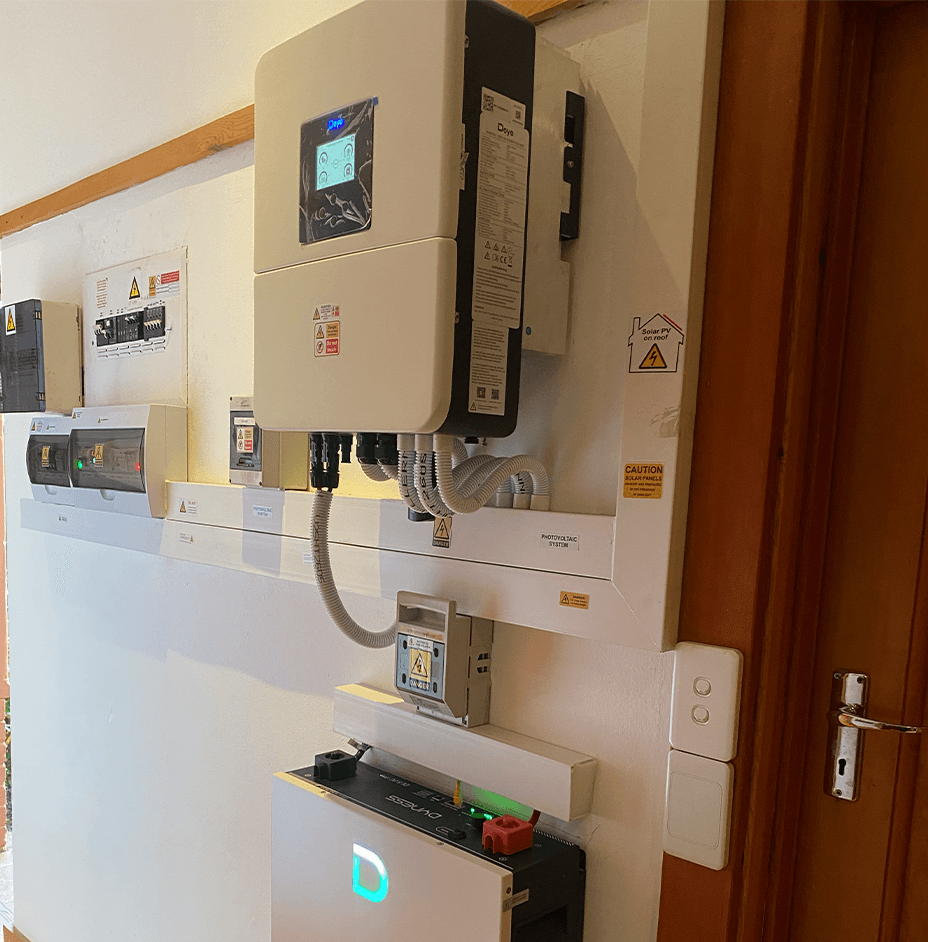

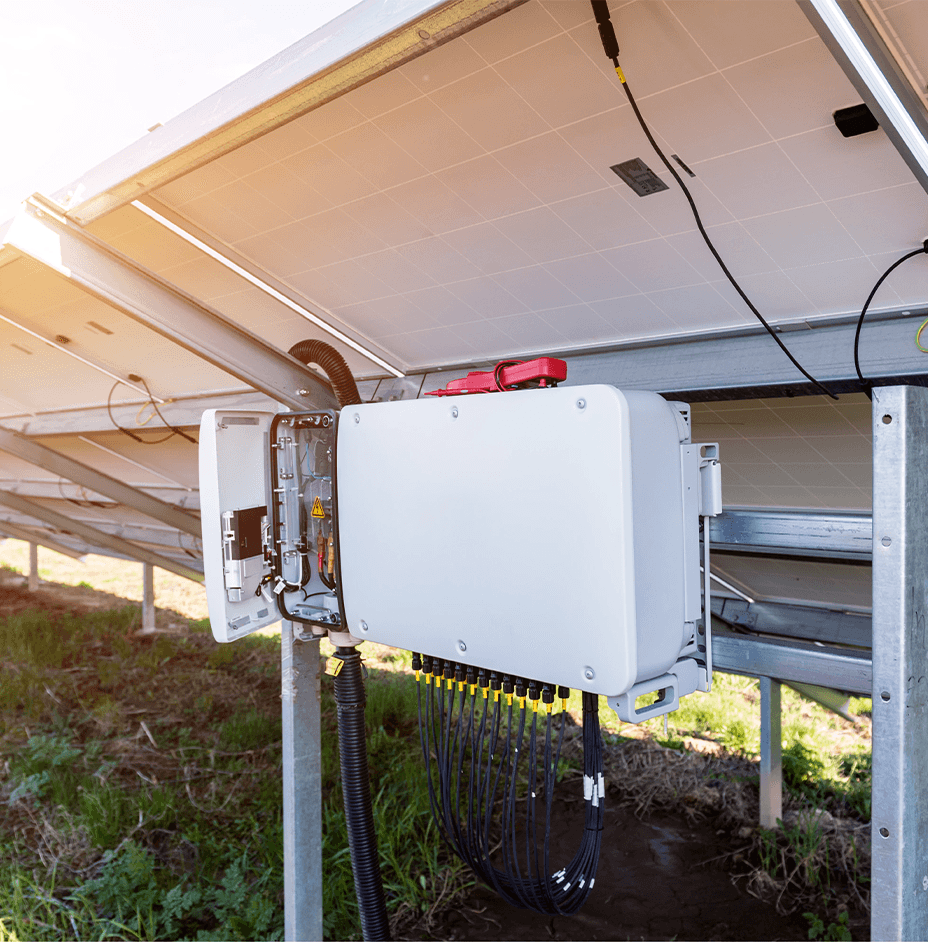



Engineered electrical and energy solutions built for performance, reliability, and sustainability.
© Copyright by Clin Volt

We successfully cope with tasks of varying complexity, provide long-term guarantees and regularly master new technologies.


Utilizing the sun. Powering Homes Lighting Africa